Winter is the time of year when many people experience Seasonal Affective Disorder. Depression, anxiety, and other mood disorders are common during this time because of lack of sunlight. Even if you don't have SAD, it's important to keep up with your mental health through
diet or exercise to avoid seasonal depression! This blog post will give you some ideas for things that can help fight off the winter blues.
- Diet
- Exercise
- Lifestyle changes
- Medication and supplements.
Remember, what works for one person may not work for you! Be aware that many of these options have side effects or are contraindicated with certain medications. However, the tips below are activities that we recommend to keep your mood up in the wintertime! If your doctor thinks any of them would be bad for you, don't try it without their permission first. You should also always talk about making lifestyle changes like this with your therapist before trying anything new on your own. Depression is a serious condition—if at any point they seem too much to handle, please go see a professional right away. We promise you're not alone.
Diet:
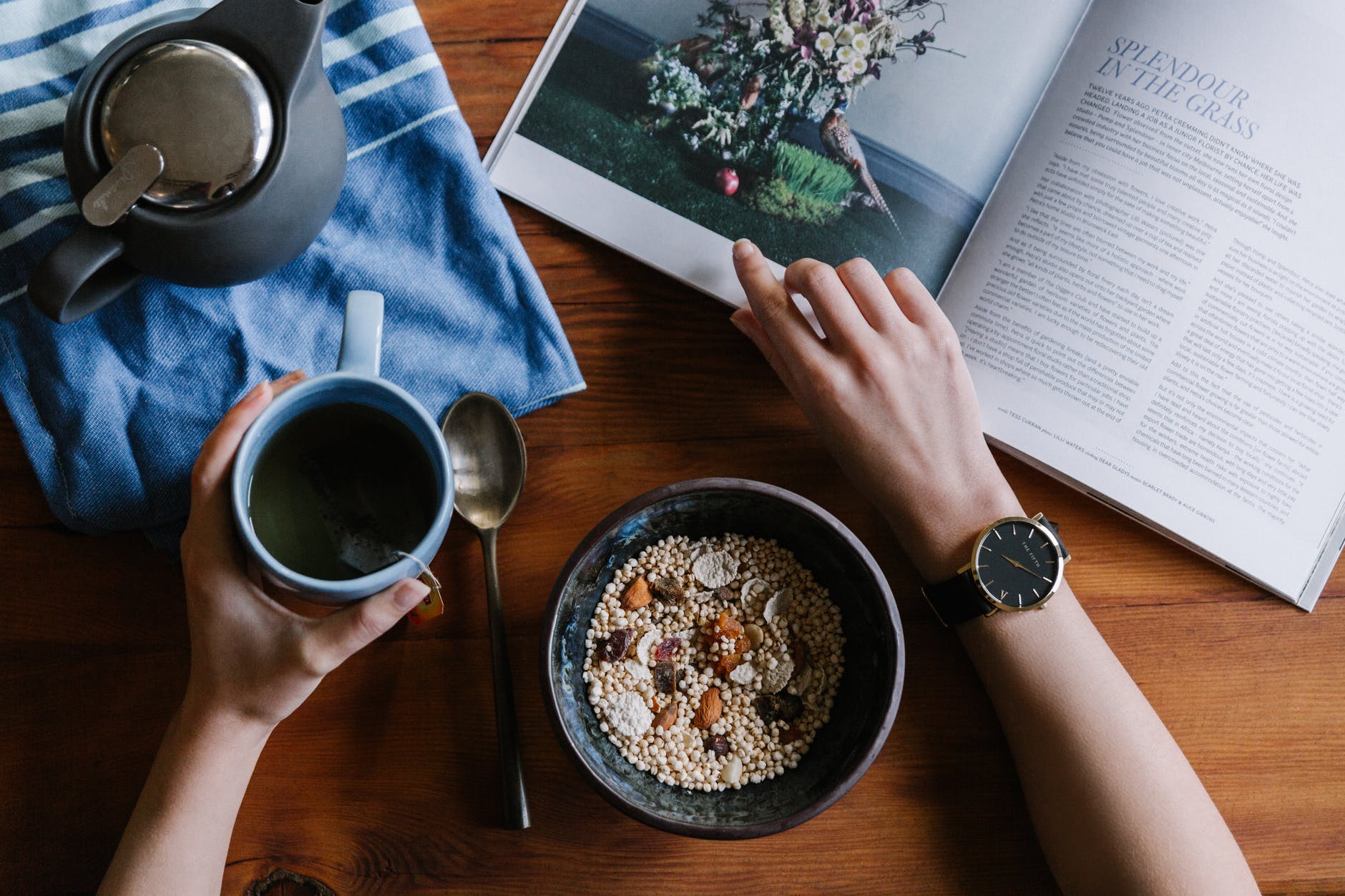
If you're feeling down, one of the best things you can do is to watch what you eat. Junk food and processed foods tend to make depression worse, while healthy foods like fruits, vegetables, and whole grains can help improve moods. Try to make sure that your diet is balanced and includes plenty of nutrients. If it's hard for you to cook or if eating healthy is too expensive, consider finding a meal delivery service in your area or see if there are any community-supported agriculture programs near you.
Diet:
If you're feeling down, one of the best things you can do is to watch what you eat. Junk food and processed foods tend to make depression worse, while healthy foods like fruits, vegetables, and whole grains can help improve moods. Try to make sure that your diet is balanced and includes plenty of nutrients. If it's hard for you to cook or if eating healthy is too expensive, consider finding a meal delivery service in your area or see if there are any community-supported agriculture programs near you.
Exercise:
Exercising releases endorphins, which have mood-boosting effects. It's also a great way to distract yourself from negative thoughts and improve your self-esteem. If you're not used to exercising, start small—even ten minutes a day can make a difference. Try going for a walk, doing some light weightlifting, or taking a dance class. You could also join a team sport or sign up for a yoga or meditation class.

Lifestyle changes:
There are other things you can do to help improve your mood in the wintertime that don't involve diet or exercise. One of them is getting more sunlight! Even if it's cold outside, try to spend time outdoors every day when the sun is out. Another thing you can do is keep a positive attitude—try not to dwell on negative thoughts and instead look for the good in every situation. You can also make a point to spend time with friends and family, do things you enjoy, or get involved in your community.
Medication and supplements:
If diet, lifestyle changes, and exercise don't help, your doctor may prescribe medication or recommend taking supplements. There are many different types of antidepressants, each with its own set of side effects. If you're considering starting medication for depression, please talk to your doctor about the best option for you. Remember that it's important to take any prescribed medications exactly as directed and to not stop them without talking to your doctor first!
Again, we want to remind you that these are just suggestions—what works for one person might not work for you. If you're feeling down, these are great places to start, but it's also important that you seek professional help. Depression is a serious condition—if at any point they seem too much to handle, please come see us right away.

Who's at risk?
SAD can affect just about anyone but is more common in people with major depressive disorder or bipolar disorder. People with other mental disorders—or who have relatives diagnosed with them—such as attention-deficit/hyperactivity disorder, or an eating, anxiety, or panic disorder are at higher risk than those who do not have them.
How is SAD diagnosed?
Generally, depression can be diagnosed through a clinical interview and discussion of symptoms. However, some people who experience SAD may not meet the criteria for major depressive disorder or another mood disorder that requires treatment with medication—in these cases, they might receive a diagnosis of adjustment disorder with depressed mood instead. Depression and other mental illnesses often co-occur with physical illness; in such cases, doctors will attempt to treat both conditions simultaneously if possible.
What causes Seasonal Affective Disorder?
The exact cause of SAD remains unclear but there are many theories about what could contribute to this condition including disruptions in circadian rhythms—the 24-hour biological clock that regulates sleep patterns among other things—which tend to become more irregular in the winter, vitamin D deficiency (since there is less sunlight to stimulate its production), and low serotonin levels.
The four healthy tips we've outlined today should be the perfect place to start when fighting Seasonal Affective Disorder this winter. If you're still not sure what is causing your symptoms, or if they persist despite these changes, seek help and book a consultation with one of our experts here at Beaumont Psych Services. We'll take care of everything from there. With our experience in dealing with SAD and depression, we can provide you with personalized advice that will make all the difference between success and failure.
Which tip do you plan on trying first? Comment below!